Ok so Mr. Sai i am so sorry for the delay of my work but i swear the internet wasnt working and it just worked now. I even went to an internet cafe in the place i live in but the internet was off in the whole neibourhood without an aapparant reason.
1st day with the fish: The fish is doing great. The plant is doing good too. But i am afraid the fish will die soon because its movement is so quick as if its going insane. the plants have some blck stuff on the leaves but i am asuming nothing is going wrong with the plants since the roots are growing longer.
2nd day with the fish: The fish and the plants are fine. the fish is still swimmiong insanley fast. the roots are growing faster.......At night the fish died without any obvious reason everything seem finw in the bottle bas defintly not with the fish
30th of november: going to get the new fish i was just waiting to see wat is going on with the fish.
pictures will be downloaded later.
Monday, November 30, 2009

Tuesday, November 24, 2009
THE STORY OF STUFF
1-List 1o things you can do to help create sustainability.
- Recycling
- Less consuming
- Waste less stuff.
- Use the stuff more than once if you can
- Dont consume the same stuff over and over if the first one is already in perfect shape.
- Everyone on earth get united for one purpose, save the earth.
- Reduce energy used around you in your life.
- Go by bus to school instead of the car that waste gas, space, and prodeces pollution.
- Talk to people about consuming and how its killing the earth.
- LOVE YOUR PLANET.
2-Write an example of four of the following concepts:
- An example of renewable energy is: Solar Energy
- An example of green chemistry is: Supramolecular chemistry
- An example of zero waste is: Recycling.
- An example of a closed loop production is: Hydro-electricity
The countries that are doing some of those activities already are U.S.A & Canada. Mostly third world countries.
3- Eco-bottle update picture: 
Monday, November 23, 2009
DEFORMED FROGS
1- Deformed frogs have been found in 54 counties in Minnesota.
2- The EPA conference was held in Duluth.
3- Yes this is an environmental problem. however, since scientists don't know what to name it, they say that what affects frogs might affect humans as well since humans and frogs are both vertebrates.
4- No deformed frogs are not able to feed themselves or escape from predators because they have compromised limbs.
5- Frogs with missing legs, frogs with extra legs, frogs with misshapen legs, frogs with paralyzed legs sucked out of their body in odd places, frogs with legs webbed together with extra skin, frogs with legs fused to their body, & frogs with legs split in two haves way down.
6- The most memorable specimen David Hoppe and his team found was that the mink frogs, the species wit the most deformations, spend more time in the water than any other frog species.
7- Hoppe's most important find was in Crow Wing County.
8- Hoppe found five species of abnormalities in frogs.
9- The species with the highest incidence of deformity is Mink Frogs at 50% of the total frogs with deformities.
10- The two theories are:
- The frogs become infested with naturally occur in parasites
- Chemical Pollution.
My Eco-bottle update picture: PICTURE DOESNT WONT TO UPLOAD.
2- The EPA conference was held in Duluth.
3- Yes this is an environmental problem. however, since scientists don't know what to name it, they say that what affects frogs might affect humans as well since humans and frogs are both vertebrates.
4- No deformed frogs are not able to feed themselves or escape from predators because they have compromised limbs.
5- Frogs with missing legs, frogs with extra legs, frogs with misshapen legs, frogs with paralyzed legs sucked out of their body in odd places, frogs with legs webbed together with extra skin, frogs with legs fused to their body, & frogs with legs split in two haves way down.
6- The most memorable specimen David Hoppe and his team found was that the mink frogs, the species wit the most deformations, spend more time in the water than any other frog species.
7- Hoppe's most important find was in Crow Wing County.
8- Hoppe found five species of abnormalities in frogs.
9- The species with the highest incidence of deformity is Mink Frogs at 50% of the total frogs with deformities.
10- The two theories are:
- The frogs become infested with naturally occur in parasites
- Chemical Pollution.
My Eco-bottle update picture: PICTURE DOESNT WONT TO UPLOAD.
Sunday, November 22, 2009
POPULATION AND CARRYING CAPACITY
1. During the 1990s the numbers of sea otters fell sharply by about 90%.
2. Sea otters lived near the Aleutian Islands off the coast of Alaska.
3. To find an explanation to this huge decrease in the population of the sea otters, scientists discovered that killer whales started eating sea otters.
4. Killer whales usually eat seals and sea lions not much smaller sea otters.
5. Due to over fishing, fish population decreased. And due to the decrease in fish seals and sea lions started to decrease too since they rely on fish.
6. Due to the decrease in seals and sea lions, killer whales started moving from the open ocean into coastal waters and beginning to feed on sea otters.
7. Therefore, sea otters decrease by 90%.
8. The population of sea urchins increases dramatically because there are so few otters to feed on the sea urchins.
9. Kelp forest is then eaten by a large number of sea urchins
10. Due to the decrease in the population of the kelp forest. A lot of species are affected since they used to feed from the kelp forest. These species include ducks, gulls, eagles, fishes, sea stars & mussels.
11. So we could conclude from the otters’ story that the slightest change in the food web can make changes in all the parts of the food web.
12. In a food web, all organisms survive by gaining food energy from the trophic level below it.
13. The population size of each species depends on the food supply and the consumers that use it as a food.
14. In addition, species may compete over food resources with others in its own trophic level.
15. There are four factors that determine carrying capacity. They are Materials and Energy, Food Chain, Competition, and Density.
16. Materials and Energy: all organisms are ultimately limited by the amount of usable energy from the sun, water, carbon….etc.
17. Food Chain: population size is limited by the biomass in all the levels below it. In the words they are limited by their food supply.
18. Competition: all organisms demand for resources (food, water, mates, and space) results in completion among individuals for these resources. Competition among members of the same species is called intraspecific competition. Competition between species is called interspecific competition.
19. Density: depending on their size, environment and way of life, different species have different needs for space. The need for space can determine an organism’s population density. If the population density increases beyond the suitable level, it produces conditions that tend to limit further growth in numbers.
20. Factors that increase in significance as a population grows are called density-dependent factors. Factors that limit the population are called independent factors.
2. Sea otters lived near the Aleutian Islands off the coast of Alaska.
3. To find an explanation to this huge decrease in the population of the sea otters, scientists discovered that killer whales started eating sea otters.
4. Killer whales usually eat seals and sea lions not much smaller sea otters.
5. Due to over fishing, fish population decreased. And due to the decrease in fish seals and sea lions started to decrease too since they rely on fish.
6. Due to the decrease in seals and sea lions, killer whales started moving from the open ocean into coastal waters and beginning to feed on sea otters.
7. Therefore, sea otters decrease by 90%.
8. The population of sea urchins increases dramatically because there are so few otters to feed on the sea urchins.
9. Kelp forest is then eaten by a large number of sea urchins
10. Due to the decrease in the population of the kelp forest. A lot of species are affected since they used to feed from the kelp forest. These species include ducks, gulls, eagles, fishes, sea stars & mussels.
11. So we could conclude from the otters’ story that the slightest change in the food web can make changes in all the parts of the food web.
12. In a food web, all organisms survive by gaining food energy from the trophic level below it.
13. The population size of each species depends on the food supply and the consumers that use it as a food.
14. In addition, species may compete over food resources with others in its own trophic level.
15. There are four factors that determine carrying capacity. They are Materials and Energy, Food Chain, Competition, and Density.
16. Materials and Energy: all organisms are ultimately limited by the amount of usable energy from the sun, water, carbon….etc.
17. Food Chain: population size is limited by the biomass in all the levels below it. In the words they are limited by their food supply.
18. Competition: all organisms demand for resources (food, water, mates, and space) results in completion among individuals for these resources. Competition among members of the same species is called intraspecific competition. Competition between species is called interspecific competition.
19. Density: depending on their size, environment and way of life, different species have different needs for space. The need for space can determine an organism’s population density. If the population density increases beyond the suitable level, it produces conditions that tend to limit further growth in numbers.
20. Factors that increase in significance as a population grows are called density-dependent factors. Factors that limit the population are called independent factors.
My eco-bottle update picture: 

Saturday, November 21, 2009
PHOTOSYNTHESIS AND CELLULAR RESPIRATION
In photosynthesis, the reactants are CARBON DIOXIDE and WATER.
The product of photosynthesis are OXYGEN and GLUCOSE.
In cellular respiration, the reactants are OXYGEN and GLUCOSE.
The product of photosynthesis are CARBON DIOXIDE and WATER.
To summerize, in photosynthesis plants use CO2 and H2O to make food in gthe form of sugar. This happens in the leaves. The glucose is transported to ccells in the plants through the chlorophyll., The cells then use this O2 in a process called cellular respiration, to release the CO2 stored in glucose. The energy is converted to a chemical for called C6H12O6 . This happens in the mitochondria.
The product of photosynthesis are OXYGEN and GLUCOSE.
In cellular respiration, the reactants are OXYGEN and GLUCOSE.
The product of photosynthesis are CARBON DIOXIDE and WATER.
To summerize, in photosynthesis plants use CO2 and H2O to make food in gthe form of sugar. This happens in the leaves. The glucose is transported to ccells in the plants through the chlorophyll., The cells then use this O2 in a process called cellular respiration, to release the CO2 stored in glucose. The energy is converted to a chemical for called C6H12O6 . This happens in the mitochondria.
What we did today in class..
Today in class we closed our eco-bottles. We are checking that if we closed teh bottle would they die or not. This is the picture of the bottle when we closed it.

Wednesday, November 18, 2009
ECO-BOTTLE AND IMPORTANCE OF THE NITROGEN CYCLE
PICTURE WILL UPLOAD SOON
The nitrogen cycle is very important since its vital for the life cycle. I dont really know why but i will be writting why as soon as i know why in class
Tomorrow in class i need to get transparents packing tape and 2 L bottle
The nitrogen cycle is very important since its vital for the life cycle. I dont really know why but i will be writting why as soon as i know why in class
Tomorrow in class i need to get transparents packing tape and 2 L bottle
Tuesday, November 17, 2009
FOOD CHAINS, FOOD WEBS & CARBON CYCLE
Page 17
1- This diagram illustrates a food web.
2-The true statment is that there are more snakes than there are mice.
3-The first order consumer is deer.
4-Rabbits are herbivores.
5-Shrews and snakes are consumers at the same level.
6-None of the above would make the mountain like the third consumer if it ate them.
7-The highest order consumers are mountain lions and snakes.
Page 20
1a) The carbon is presented in the atmosphere in the form of a gas.
1b) The carbon is presented in green plants in the form of sugar.
2) Since the green plants already have carbon inside them. Then the primary consumers of the green plants will get the carbon from the plants. The animals that eat the primary consumer ( secondary consumer) takes the carbon from them and son on.
3) when the animals die they decompose. The decomposers eat the left up energy ( carbon) in the dead body of the animal so it now contains the carbon. Then the decomposers are now detritus that will go through the air and then to tha plans again to continue the cycle.
1- This diagram illustrates a food web.
2-The true statment is that there are more snakes than there are mice.
3-The first order consumer is deer.
4-Rabbits are herbivores.
5-Shrews and snakes are consumers at the same level.
6-None of the above would make the mountain like the third consumer if it ate them.
7-The highest order consumers are mountain lions and snakes.
Page 20
1a) The carbon is presented in the atmosphere in the form of a gas.
1b) The carbon is presented in green plants in the form of sugar.
2) Since the green plants already have carbon inside them. Then the primary consumers of the green plants will get the carbon from the plants. The animals that eat the primary consumer ( secondary consumer) takes the carbon from them and son on.
3) when the animals die they decompose. The decomposers eat the left up energy ( carbon) in the dead body of the animal so it now contains the carbon. Then the decomposers are now detritus that will go through the air and then to tha plans again to continue the cycle.
Monday, November 16, 2009
TODAY WAS ABOUT MOVIES AND QUIZES
1- Ok so the question is why do plants face the sun ligh?
First plants can grow without sunlight and it would grow really fast however groeing with sunlight make it more healthier. So we could generally say that the part in the shade grows faster than the part in teh sun so it make the plant bents to where the sun is . This process is called Phototropism.
2- Dead and decaying plant materials. Detritus is the result of the activity of decomposers (organisms that decompose organic material). Technically there is nuthing called a detritus cycle. As the detritus food chian takes place in the carbon cycle, so they count as the left overs of the decomposers. These left overs ends up as nutrients for the producers once more. So its counted as a cyle. From the producer to the rpimary consumer, then second consumer, then tertary consumer, then maybe fourth and fifth consumer. Then the dead bodies decompse and the decoposeres ( bacteria) eat the left overs of the energy in the dead bodies. Then the rest of the dead bodies or the left overs of the decomposers are called DETRITUS goes to the plants or as we call them the producers as nutrients and over again. Thats the cycle.
First plants can grow without sunlight and it would grow really fast however groeing with sunlight make it more healthier. So we could generally say that the part in the shade grows faster than the part in teh sun so it make the plant bents to where the sun is . This process is called Phototropism.
2- Dead and decaying plant materials. Detritus is the result of the activity of decomposers (organisms that decompose organic material). Technically there is nuthing called a detritus cycle. As the detritus food chian takes place in the carbon cycle, so they count as the left overs of the decomposers. These left overs ends up as nutrients for the producers once more. So its counted as a cyle. From the producer to the rpimary consumer, then second consumer, then tertary consumer, then maybe fourth and fifth consumer. Then the dead bodies decompse and the decoposeres ( bacteria) eat the left overs of the energy in the dead bodies. Then the rest of the dead bodies or the left overs of the decomposers are called DETRITUS goes to the plants or as we call them the producers as nutrients and over again. Thats the cycle.
Sunday, November 15, 2009
WHAT WE DID CLASS & CARBON CYCLE
1- Today in class i observed in my ecobottle that the shoots of my garlic are growing and are bigger.
2- My plant actually look a little bit dry due to not watering however its growing and its facing the direction of the sun now.
3- The Carbon Cycle:
The carbon cycle actually includes many different species. It includes animals ans plant and it also includes oxygen and carbon. Since there is CO2 in the atmosphere it get used up by the plants. As the plants prodece O2 it get consumed by animals, then animals exhale CO2 that get used by plants and so on. thats the carbon cycle
2- My plant actually look a little bit dry due to not watering however its growing and its facing the direction of the sun now.
3- The Carbon Cycle:
The carbon cycle actually includes many different species. It includes animals ans plant and it also includes oxygen and carbon. Since there is CO2 in the atmosphere it get used up by the plants. As the plants prodece O2 it get consumed by animals, then animals exhale CO2 that get used by plants and so on. thats the carbon cycle
Saturday, November 14, 2009
HOW TO DO OUR ECO BOTTLES????
So on thursday in school we started our eco bottles. It was a great experience. so the first step was to cut a two litre bottle in half. We put the top( with the part we drink from) on its opposite side on the other part of the bottle. Then we cut a piece of cloth and clean it with water. We then put it through the water bottle we made. After that we get some clean rocks and we put it on the top part. Then we add some sand. And then on top some mud. W e then dig a hole for our garlic and/or our other beans. Ater we add some mud again in order to make only the shoots showingfrom on top. Then we filled the lower  part with clea
 n water. And thats it.
 :
: 


 part with clea
 n water. And thats it.
 :
: 


Wednesday, November 11, 2009

Tuesday, November 10, 2009

Monday, November 9, 2009
MEASURMENTS
1-Measurments:
Longest Root: 15 mm
Longest Shoot: 35 mm
2-Garlic belongs to the first tropgic level.
3-The other names we call plants with are producers and at the first trophical level since there energy they absorbe it directly from the sun
4- A five organism food chain starting with garlic is: Garlic then Mouse then Snake then Cat.
5- The second consumer in this food chain is the snake.
Longest Root: 15 mm
Longest Shoot: 35 mm
2-Garlic belongs to the first tropgic level.
3-The other names we call plants with are producers and at the first trophical level since there energy they absorbe it directly from the sun
4- A five organism food chain starting with garlic is: Garlic then Mouse then Snake then Cat.
5- The second consumer in this food chain is the snake.
Sunday, November 8, 2009
MEASURMENTS

1-Measuments
Longest Root: 2 mm
Longest Shoot: 15 mm
2-The part of the plant that grew first is the root because there is not enough food in a seed to do any more than germinate it, so the root is sent out first to anchor it and then supply nutrients to allow the plant to grow.
3-yes there is a change in the size of the garlic. It became bigger since its supporting the roots and the shoots so its need to get bigger so it can handle them and not break apart.
4- Germination is the process in which a seed or spore emerges from a period of dormancy. And since all the nutrients the garlic need to grow is inside the seed it self, thats why we eat it. it just now needs some external conditions to grow in a healthy way. which are temperature, water, and oxygen and maybe light. light is not important since there is no leaves. However, i am providing for my plant oxygen and the right temperature (room temperature) and water.
Tuesday, November 3, 2009
WHAT DO WE NEED TO GET FOR SCHOOL TOMMOROW
 so what we need to get tomorrow is garlic if we didnt get and some beans and any other thing we want to plant aside of the gralic and the beans. tomorrow we will be strting to plant our garlic or bean or whatever ur planting.
 Introduction
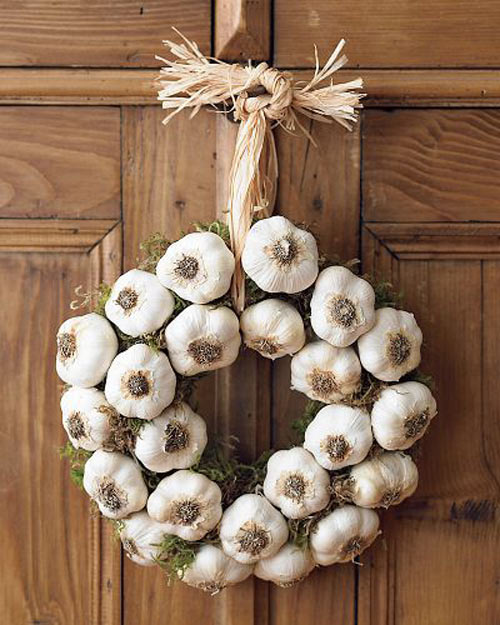
My name is Clara Boshra. And i will be talking throughout my blog about the progress of my garlic for my science class. Bio unit.
Subscribe to:
Posts (Atom)